Born and raised in Johannesburg. He studied Textile design and technology in 2009, and later Fashion design and technology in 2012 at Tshwane University of Technology. Karabo gained valuable experience interning at various fashion organizations. This is where he honed his skills in fashion, interior design, and textiles, and learned how to integrate them with African design to tell compelling stories visually.
Karabo’s business bears his name, reflecting the diverse aspects of creativity. “Karabo” means “Answer,” but for him, it signifies an answer from ‘Ramasedi’ God, associated with faith and hope. His logo is inspired by the Khoi-San shaman, symbolizing the resilience of the human spirit. To Karabo, culture is a major milestone in human creativity throughout history.
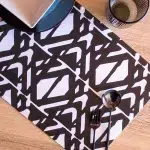
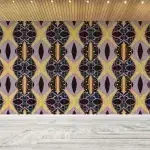
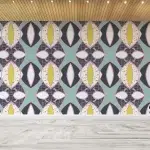
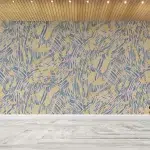
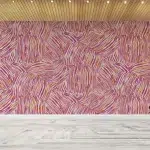
Karabo Mokaila specializes in high-end Textile and Fashion design. They create sustainable, handmade bespoke fabrics through techniques like silk screening, painting, and appliqué. These are combined with digitally printed textiles for fashion and interior applications, along with digital printed wallpapers for interiors. Karabo designs custom fashion, drawing from ready-to-wear couture, using construction and drapery techniques for both genders. The business was established in August 2022.
In today’s world, unconventional ideas are often met with skepticism or overlooked due to superstitions or lack of understanding. Superstitions arise from misconceptions, sometimes masked by those who don’t fully grasp the facts. As black Africans, they also play a part in perpetuating these beliefs as a way to protect their cultural heritage from distortions. This sometimes leads to conformity with societal norms, unintentionally suppressing individual potential.
Karabo Mokaila’s mission is to rebrand African design and emphasize personal identity and cultural preservation. They achieve this by reevaluating the power of African design in conveying emotions in moderation. Their aim is to promote Pan Africanism globally, satisfying modern society’s needs while honoring their culture through a cyclical design process.
Recognizing the environmental impact of textile and fashion production, Karabo aims to be a socially responsible brand at every production stage. It’s not just about what goes into production, but also what comes out during the process and consumer use. They employ sustainable design methods, alternative processes, and techniques to address climate change, land biodiversity, and the conservation of natural resources.
If Karabo’s designs could evoke an emotional response, it would be one of healing. There’s a natural human desire to connect with others, and healing can take many forms. This is why Karabo designs with pride and a clear sense of purpose, driven by a deep appreciation for his culture.